Why Every Contractor Needs a Gutter Roll Forming Machine
In the competitive world of exterior construction, efficiency and precision are non-negotiable. A gutter roll forming machine is no longer a luxury—it’s a necessity for contractors who demand consistent quality, reduced labor costs, and faster project turnaround. Whether you produce K-style, half-round, or custom-profile gutters, this equipment ensures perfect curvature, tight seams, and zero material waste.
Modern gutter forming machines integrate computerized controls, hydraulic cutting systems, and quick-change tooling, allowing you to switch between profiles in under 15 minutes. For businesses targeting high-volume residential or commercial projects, investing in a roll forming gutter machine directly impacts your bottom line.
Key Features of a High-Performance Gutter Roll Forming Machine
1. Material Versatility
Top-tier gutter roll forming equipment handles galvanized steel, aluminum, copper, and even pre-painted coils. With gauge capacities ranging from 0.4mm to 1.2mm, you can adapt to diverse architectural demands without compromising on gutter strength or weather resistance.
2. Precision Roller Stations
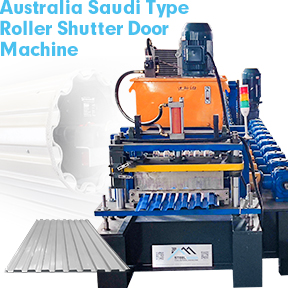
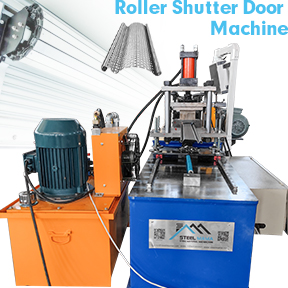
A standard gutter forming machine features 12–18 roller stations, each calibrated to gradually shape the metal without stress marks. This ensures smooth profiles and leak-proof joints, which are critical for long-term performance in heavy rainfall regions.
3. Integrated Cutting & Punching
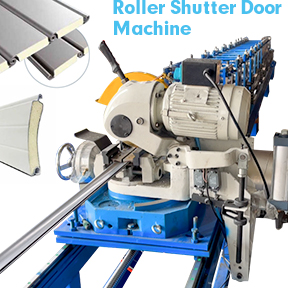
Advanced models include hydraulic notching and pre-punching systems, eliminating secondary operations. This feature alone reduces production time by 40%, making your gutter roll former a true lean manufacturing asset.
4. Touchscreen PLC Control
User-friendly interfaces allow operators to store up to 50 profile recipes. With real-time diagnostics, your automatic gutter machine minimizes downtime and maximizes output per shift.
Top 5 Benefits of Upgrading to a Gutter Roll Forming Machine
Benefit
Impact on Business
Labor Savings
One machine replaces 4–6 manual workers, cutting payroll by 60%.
Material Efficiency
Precise coil feeding reduces scrap to under 2%, vs. 10%+ with brake forming.
Consistent Quality
Every gutter section matches exact specifications, avoiding on-site adjustments.
Rapid ROI
Typical payback period is 6–12 months for mid-sized contractors.
On-Demand Production
Produce gutters at job sites, reducing storage and transport costs.
How to Choose the Right Gutter Roll Forming Machine for Your Business
When evaluating roll forming equipment, consider these critical factors:
Production Speed: Look for machines offering 15–25 meters per minute for high-demand seasons.
Coil Width Capacity: Standard units accept 500mm–600mm coils; custom widths are available for specialty profiles.
Power Requirements: Most gutter formers run on 380V/50Hz, but verify compatibility with your workshop grid.
After-Sales Support: Opt for suppliers with global service networks, spare parts inventory, and remote troubleshooting.
Pro Tip: Request a sample run before purchase. Reputable manufacturers will test your material and provide dimensional reports to validate profile accuracy.
Industry Applications: Where Gutter Forming Machines Excel
Residential Construction: Seamless gutters for new homes and roof replacements.
Commercial Buildings: Large-capacity gutters for warehouses, malls, and office complexes.
Agricultural Facilities: Durable gutters for barns, silos, and irrigation systems.
Restoration Projects: Matching historic profiles with custom roll-formed gutters.
Maintenance Best Practices for Long-Term Gutter Roll Former Performance
Daily Lubrication: Apply high-temperature grease to bearing housings and gearboxes.
Roller Inspection: Check for wear every 500 operating hours; replace damaged rollers promptly.
Hydraulic Fluid Checks: Maintain oil levels and change filters quarterly.
Electrical Calibration: Verify sensor alignment and PLC voltage stability monthly.
Frequently Asked Questions About Gutter Roll Forming Machines
Q: Can a gutter roll former produce both K-style and half-round profiles? A: Yes—with interchangeable roller sets, most machines support multiple profiles. Always confirm the tooling compatibility with your supplier.
Q: What is the typical power consumption? A: A standard gutter forming machine consumes 15–25 kW/h, depending on motor size and cutting frequency.
Q: Is training included with purchase? A: Leading manufacturers offer on-site installation, operator training, and 12-month warranties.
Conclusion: Future-Proof Your Gutter Production with a Gutter Roll Forming Machine
The construction industry is shifting toward automated, on-site manufacturing, and a gutter roll forming machine places you ahead of the curve. From reducing overheads to delivering flawless gutters every time, this investment pays dividends in quality, speed, and customer satisfaction.
Ready to upgrade? Contact our team today for a customized quote, free material testing, and a live demo of our latest gutter forming equipment. Experience the difference that precision engineering makes—because your reputation rests on every drop of rain that flows through your gutters.
Call to Action: +86 177-6155-5057 | ✉️ arno@steelmama.com Visit our factory to see gutter roll forming machines in action!
We use cookies to enable all functionalities for best performance during your visit and to improve our services by giving us some insight into how the website is being used. Continued use of our website without having changed your browser settings confirms your acceptance of these cookies. For details please see our privacy policy.