What Is a Roofing Sheet Roll Forming Machine? The Ultimate Guide for 2026
If you are in the metal construction, roofing supply, or prefab building industry, you have likely encountered the term roofing sheet roll forming machine. But what exactly is this equipment, and why has it become the backbone of modern metal roofing production? In this in-depth guide, we will break down the definition, working principle, types, and benefits of a roofing sheet roll forming machine—and explain why investing in the right roll former can transform your manufacturing business.
Definition: What Is a Roofing Sheet Roll Forming Machine?
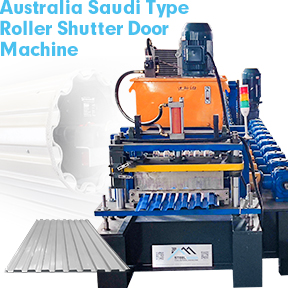
Aroofing sheet roll forming machine is a continuous metal forming system that takes flat metal coils (usually steel, aluminum, or copper) and gradually shapes them into specific roofing profiles through a series of rotating roller dies. Unlike press braking or stamping, this process is cold-formed, meaning no heat is applied. The result is a consistent, high-strengthroofing panel with precise dimensions, ready for installation on residential, commercial, or agricultural buildings.
In simpler terms, a roll forming machine for roofing sheets is the equipment that turns a plain strip of metal into the corrugated, trapezoidal, or standing-seam panels you see on roofs worldwide.
How Does a Roofing Sheet Roll Forming Machine Work?
The operation of a roofing sheet roll former is both elegant and highly efficient. Here is the step-by-step process:
Coil Loading – A heavy-duty decoiler holds the metal coil and feeds it into the machine.
Feeding & Guiding – The strip passes through a pre-straightening and guiding system to ensure alignment.
Roll Forming Stations – The core of theroofing sheet manufacturing machine consists of multiple pairs of hardened steel rollers (usually 12 to 24 stations). Each pair progressively bends the metal by a small angle until the final roofing profile is achieved.
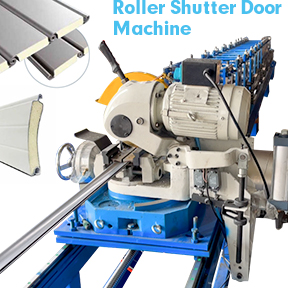
Cutting – An integrated hydraulic or pneumatic cutting system shears the formed sheet to your desired length.
Output – Finished roofing panels are stacked or conveyed for packaging.
The entire process is automated via a PLC control system, allowing operators to change length, quantity, and even profile settings with minimal downtime.
Why Is a Roll Forming Machine Essential for Roofing Production?
High Speed & Efficiency – A typical roofing sheet roll forming line can produce 20–40 meters of finished panels per minute, far outpacing manual or batch methods.
Material Savings – Cold roll forming uses nearly 100% of the input coil, with minimal scrap compared to stamping or cutting from flat sheets.
Consistent Quality – Every roofing panel from the same roll former has identical dimensions, hole patterns, and curvature—critical for weather-tight installations.
Long-Run Cost Effectiveness – Once the tooling is set up, the per-unit cost drops dramatically, making it ideal for both small batches and mass production.
Standing seam panels – With concealed fasteners, popular for modern architectural roofs.
Tile-look panels – Mimicking clay or slate tiles for residential aesthetics.
Insulated sandwich panels – When combined with a foaming line, the roll former creates composite roofing boards.
Each profile requires a specific set of roller dies, but many modern roll forming machines allow quick-change tooling to switch between profiles in under 30 minutes.
Key Components of a High-Quality Roofing Sheet Roll Forming Machine
Custom profile design – They can engineer roller dies for your unique roofing profile.
After-sales support – Training, spare parts, and remote diagnostics keep your line running.
Energy efficiency – Modern servo-driven systems reduce power consumption by up to 30%.
Compact footprint – Space-saving designs fit into small workshops without sacrificing output.
Cost vs. ROI: Is a Roofing Sheet Roll Forming Machine Worth It?
The initial investment for a roofing sheet roll forming machine typically ranges from $15,000 for basic manual models to over $150,000 for fully automated, high-speed lines with servo feeders and stackers. However, the return on investment (ROI) is remarkably fast:
Labor reduction – One operator can manage the entire line.
Lower material cost – Buying coils instead of pre-cut sheets saves 15–25%.
No outsourcing fees – Produce exactly what you need, when you need it.
New revenue streams – Offer custom lengths and profiles to local builders at premium prices.
Most users recover their machine cost within 6 to 18 months, depending on production volume.
Maintenance Tips for Your Roofing Sheet Roll Forming Machine
To maximize the lifespan of your roll forming equipment, follow these best practices:
Daily cleaning – Remove metal dust and oil residue from rollers and guides.
Lubrication – Apply high-temperature grease to bearings and chains every 8 hours of operation.
Alignment checks – Use a dial gauge to ensure rollers remain parallel.
Tooling inspection – Replace worn rollers promptly to avoid marking the roofing sheet surface.
Software updates – Keep the PLC firmware current for optimal performance.
FAQ
1: Can one roofing sheet roll forming machine produce multiple profiles? A: Yes, if it is equipped with interchangeable roller cassettes. However, dedicated machines offer faster changeovers and better precision for high-volume runs.
2: What thickness of metal can a roll former handle? A: Most standard machines process 0.3 mm to 1.2 mm steel. Heavy-duty models can handle up to 2.0 mm for structural decks.
3: Is training required to operate a roofing sheet roll forming machine? A: Basic operation is straightforward, but professional training from your supplier ensures optimal setup, troubleshooting, and safety practices.
4: How long does a roll forming machine last? A: With proper maintenance, a quality roofing sheet roll forming machine can last 15–20 years, with roller replacement every 5–7 years depending on usage.
Conclusion: The Future of Roofing Production
In an era of rising labor costs and demand for faster construction timelines, the roofing sheet roll forming machine is no longer a luxury—it is a necessity. Whether you are a small workshop or a large-scale manufacturer, owning a reliable metal roofing roll former gives you control over quality, cost, and delivery schedules. As building codes evolve and architectural designs become more complex, modern roll forming technology continues to adapt, offering even greater flexibility, automation, and energy efficiency.
If you are ready to upgrade your production line or start a new roofing manufacturing venture, explore our range of high-performance roofing sheet roll forming machines. Contact us today for a customized quote, free profile design consultation, and a live demo video. Don’t wait—secure your competitive edge in the booming metal roofing market now.
We use cookies to enable all functionalities for best performance during your visit and to improve our services by giving us some insight into how the website is being used. Continued use of our website without having changed your browser settings confirms your acceptance of these cookies. For details please see our privacy policy.